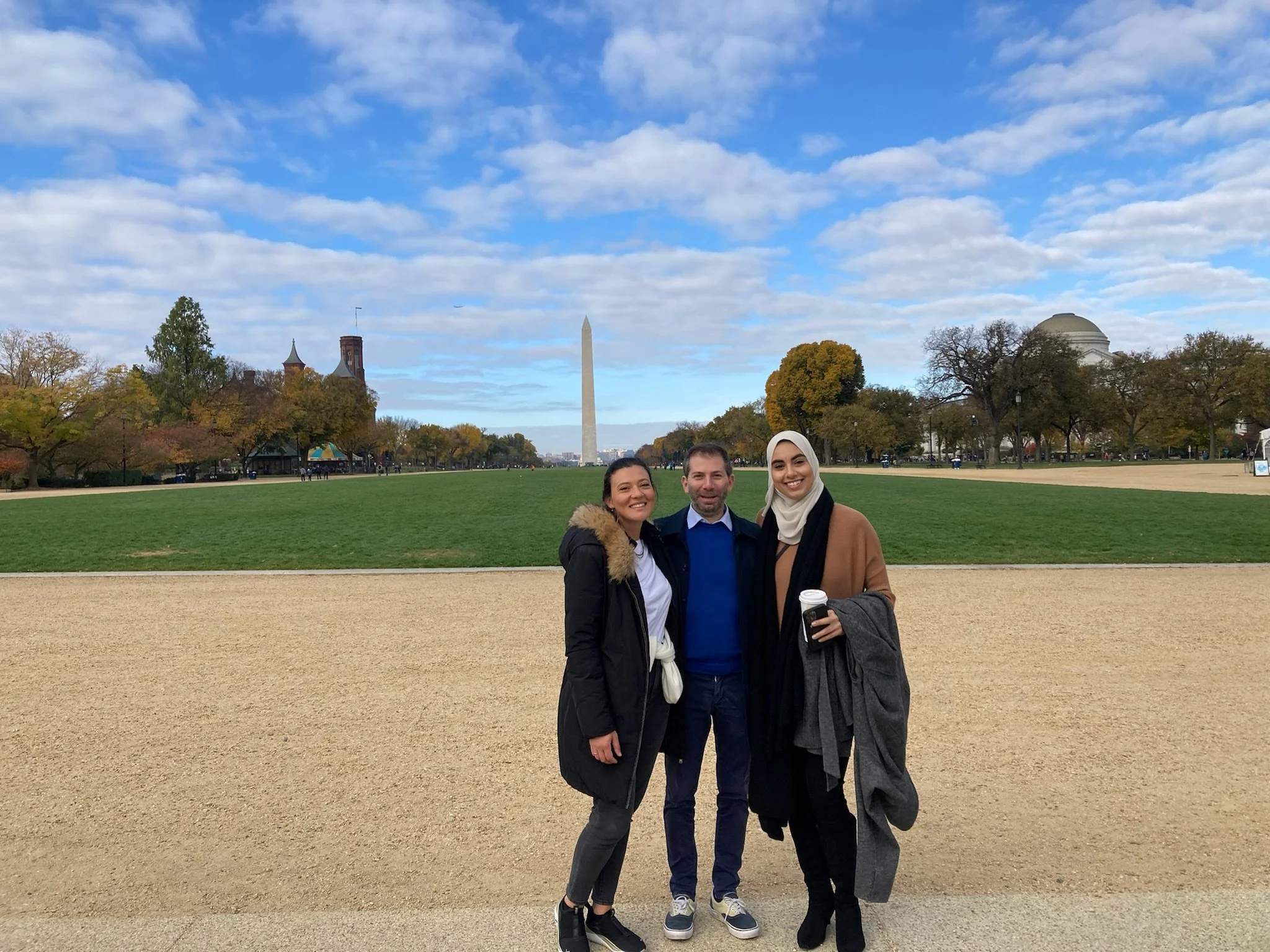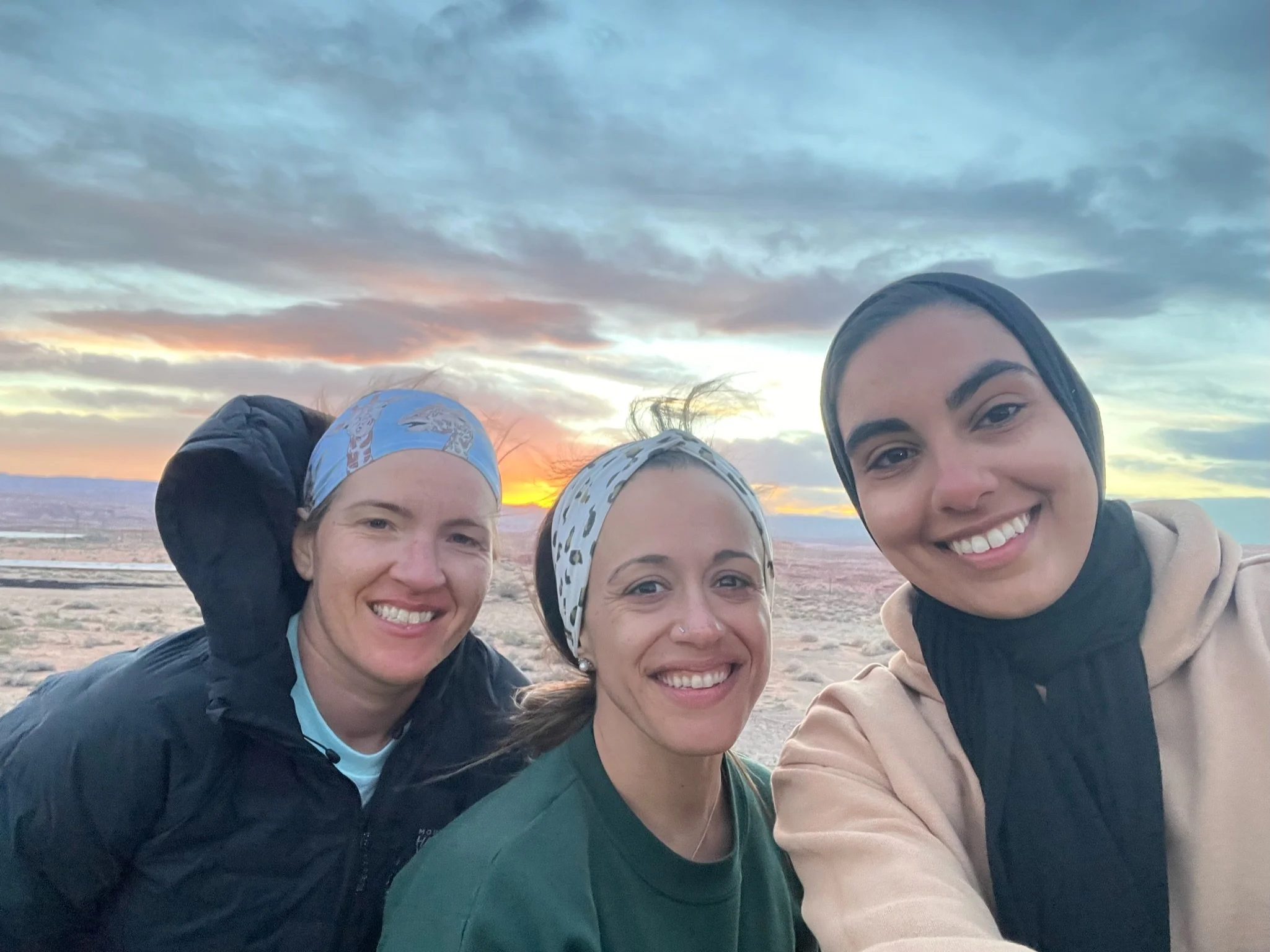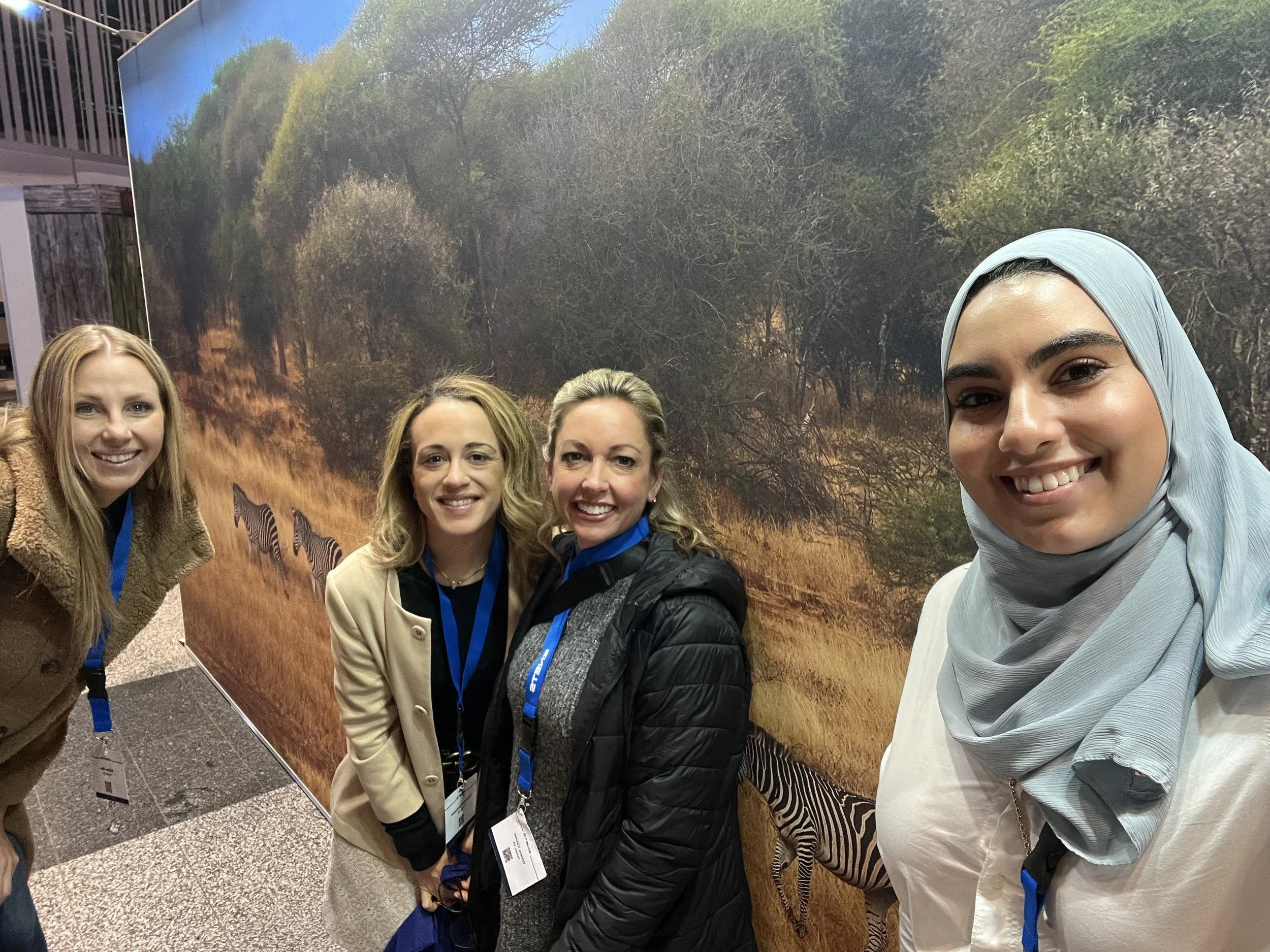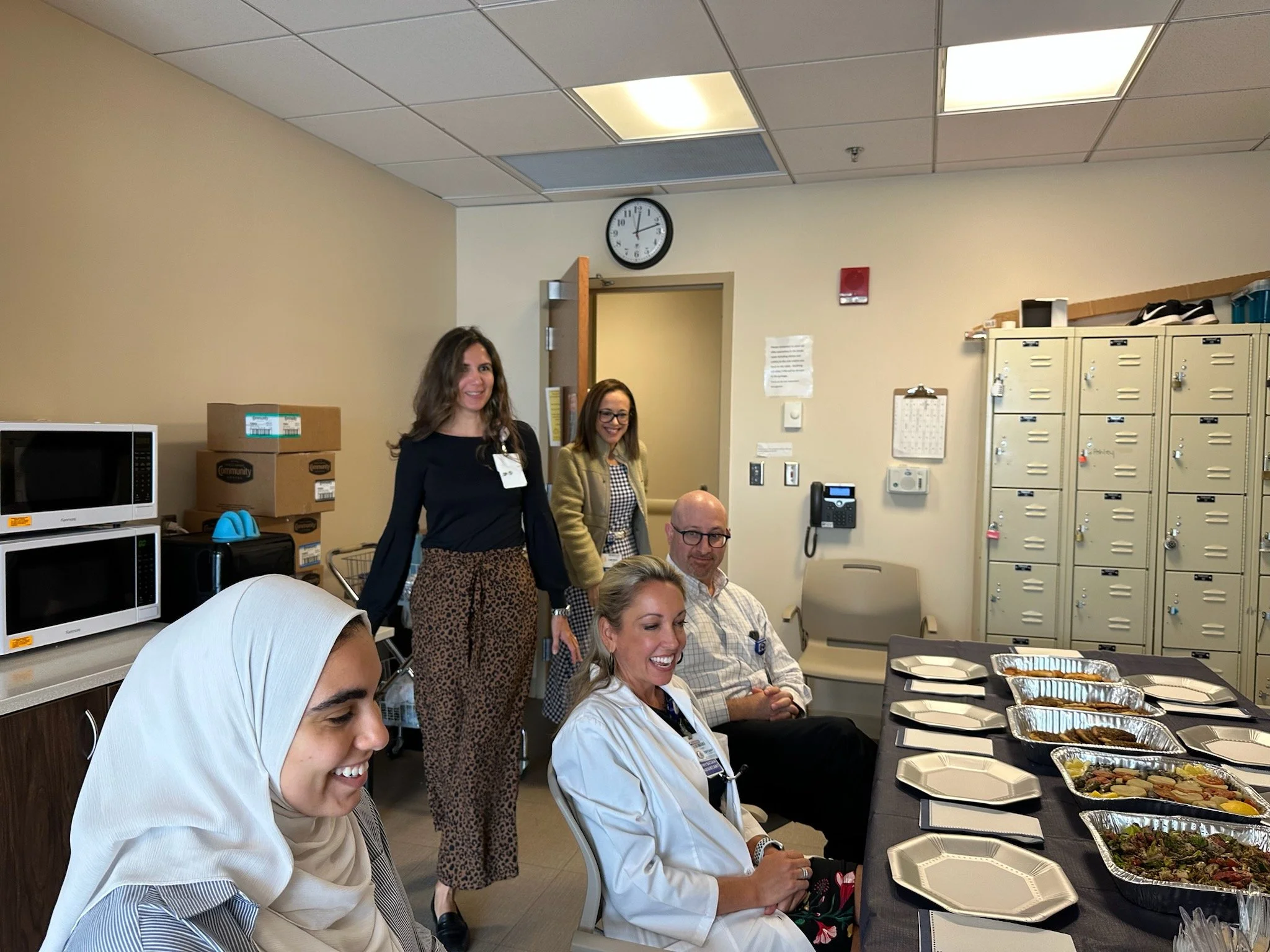
Closing a Chapter: The People, the Lessons, and the Journey I’ll Carry Forward
After nearly ten years at an institution, saying goodbye is such a strange feeling. Saying goodbye to what? To whom? Until when? This is what I imagine leaving high school must’ve felt like for most of my classmates. I never had an attachment to my school or high school career because I spent most of it at home anyway, so graduating was just a means to an end, despite attending a private, homey school.
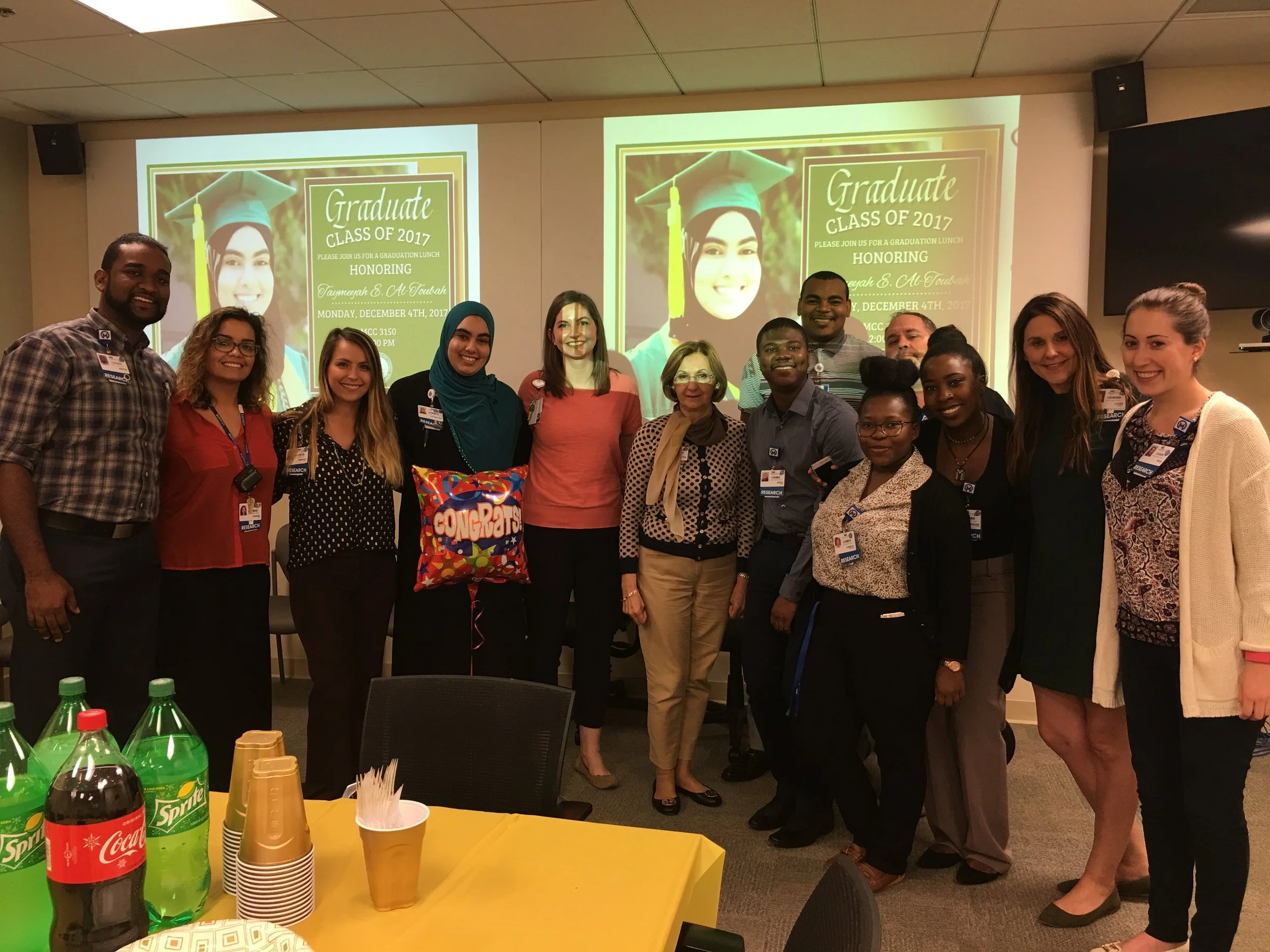
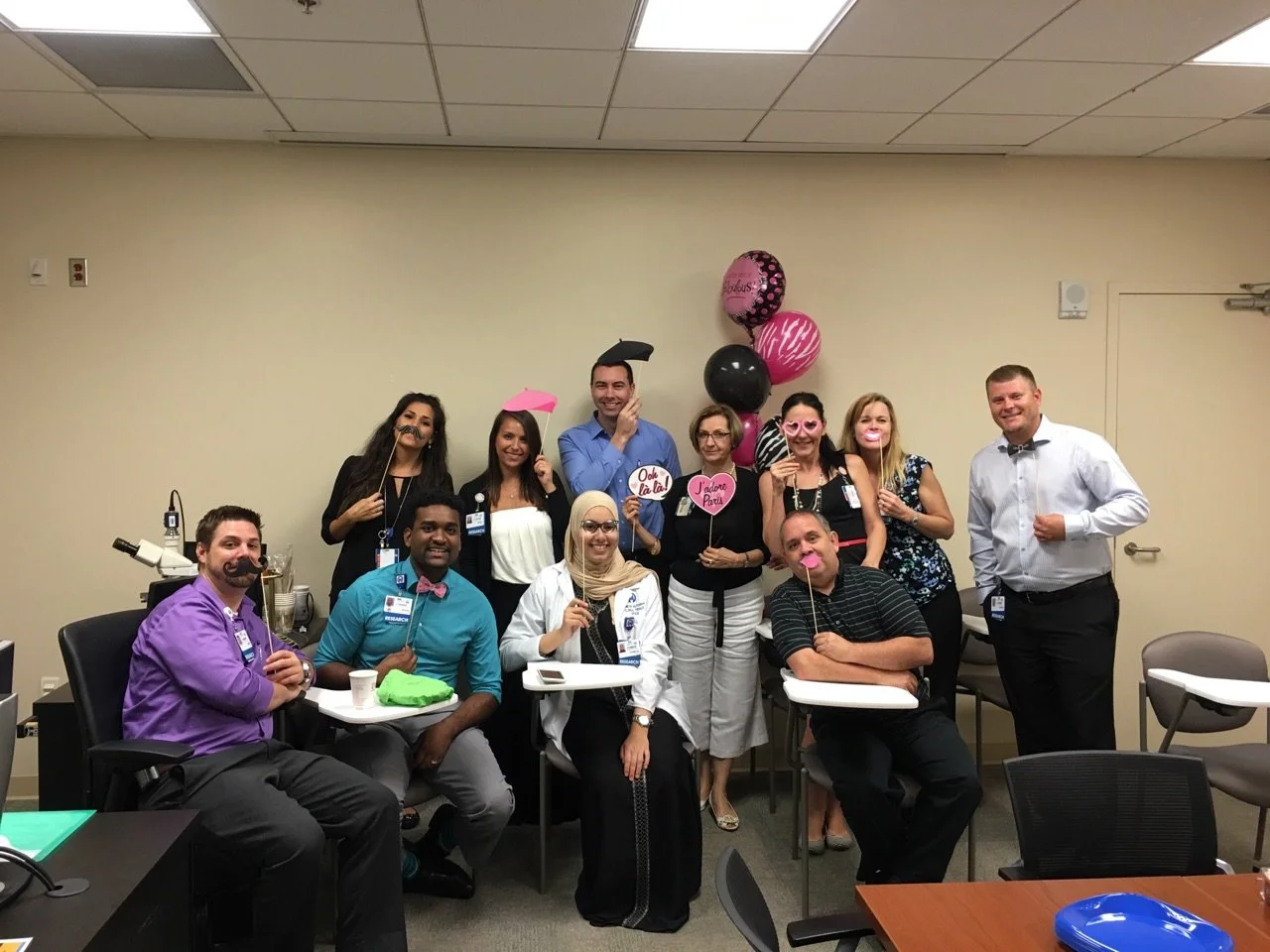
My first few years at Moffitt were when I discovered who I was as a person. Not because of my workplace, but because that decade coincided with the start of my 20s. I found the things I loved, the drive I had, the passion for the work, and what my work ethic would look like for years to come. I was naïve and young when I started, just 21, in the year Trump took office for the first time. Seeing that political divide at work—along with all the regular politics of corporate America—was… interesting. The group I worked with truly operated as a family. A few years later, I had my first personal mourning period: the death by suicide of one of my dearest friends and my first office mate. Having to break the news to a friend, that another has died, is not something I would wish upon anyone in life. I will never not think of him when a country song comes on. He introduced us to “nerd rap”—which is exactly as strange as it sounds…
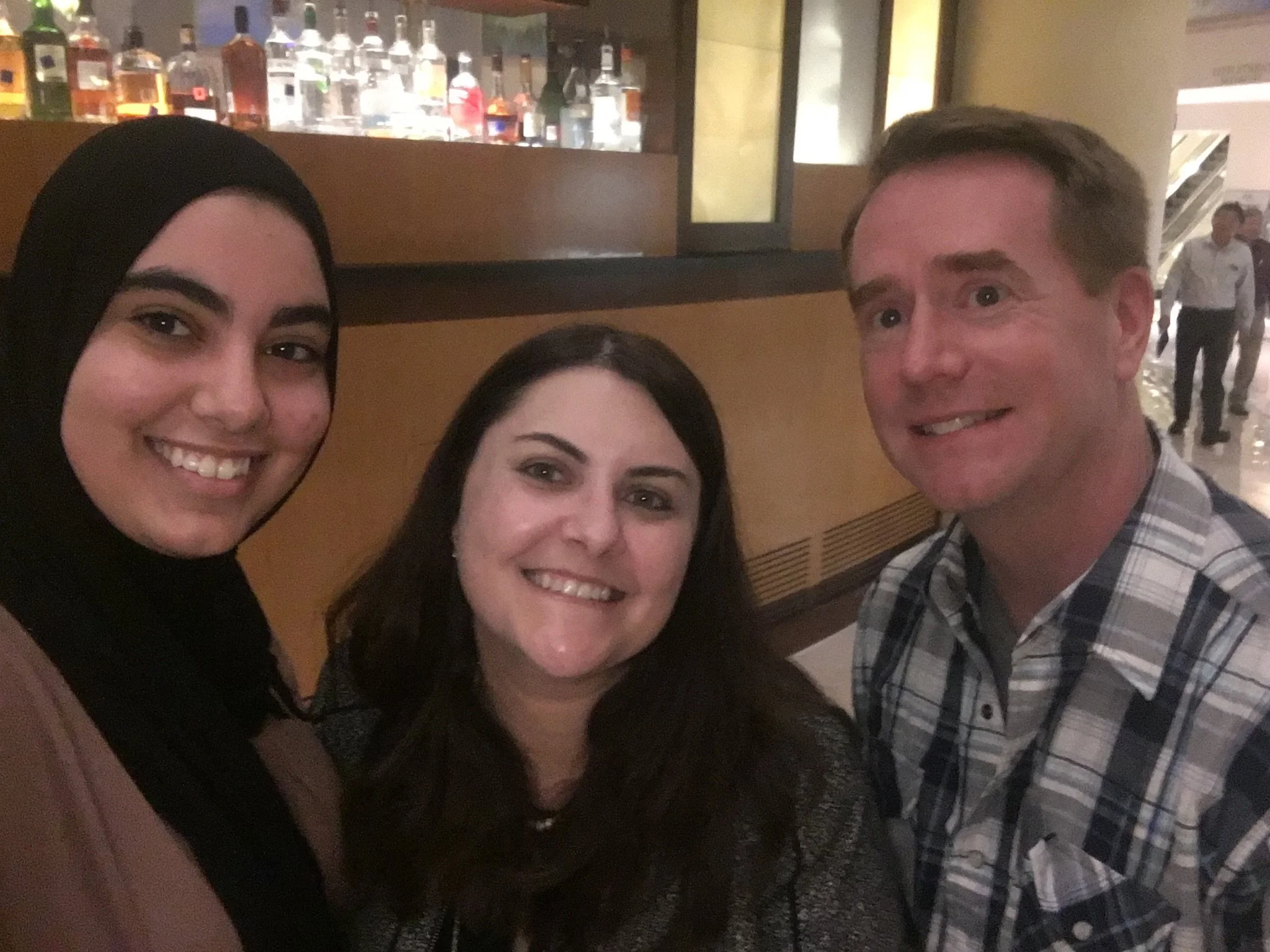
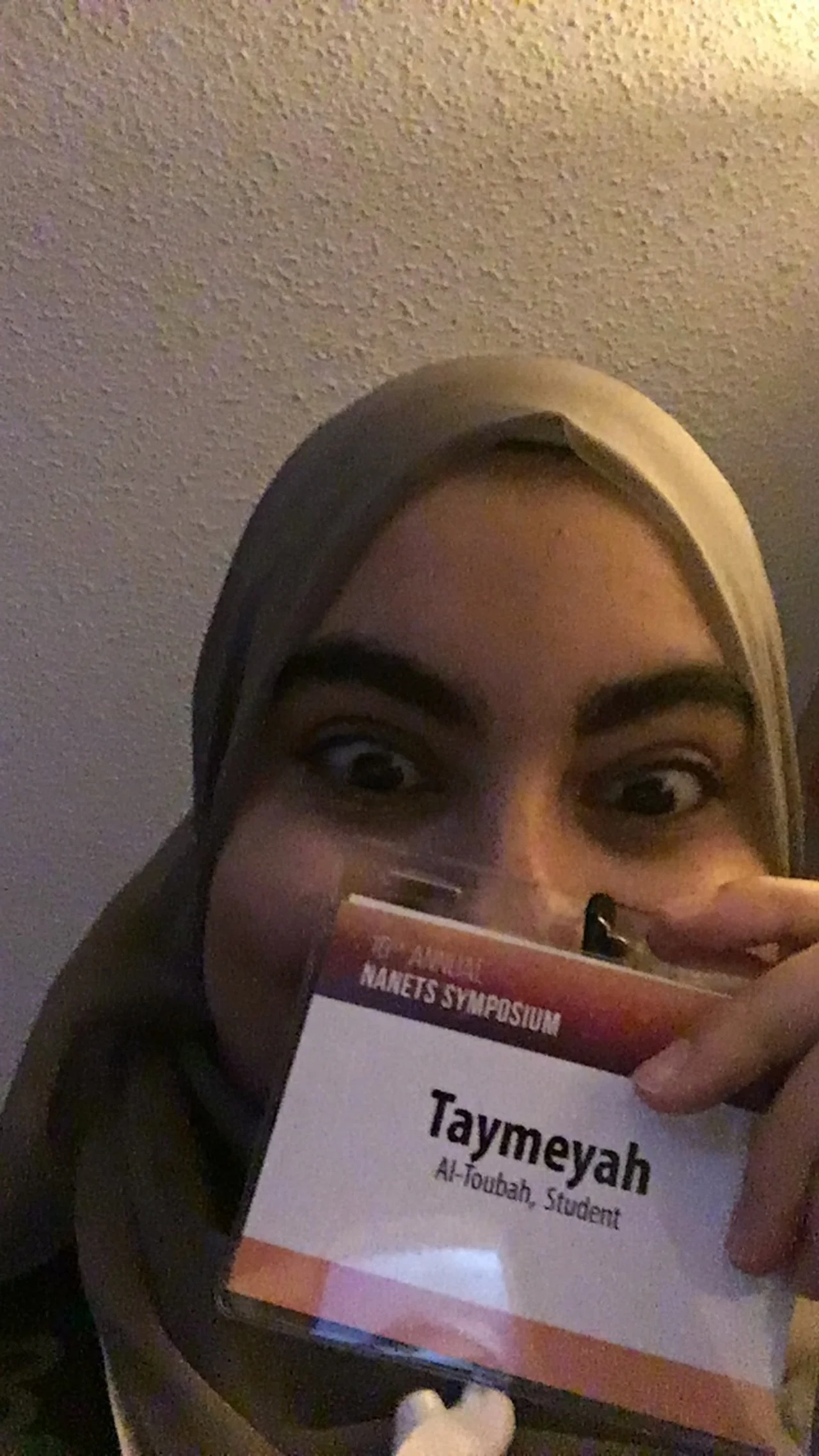
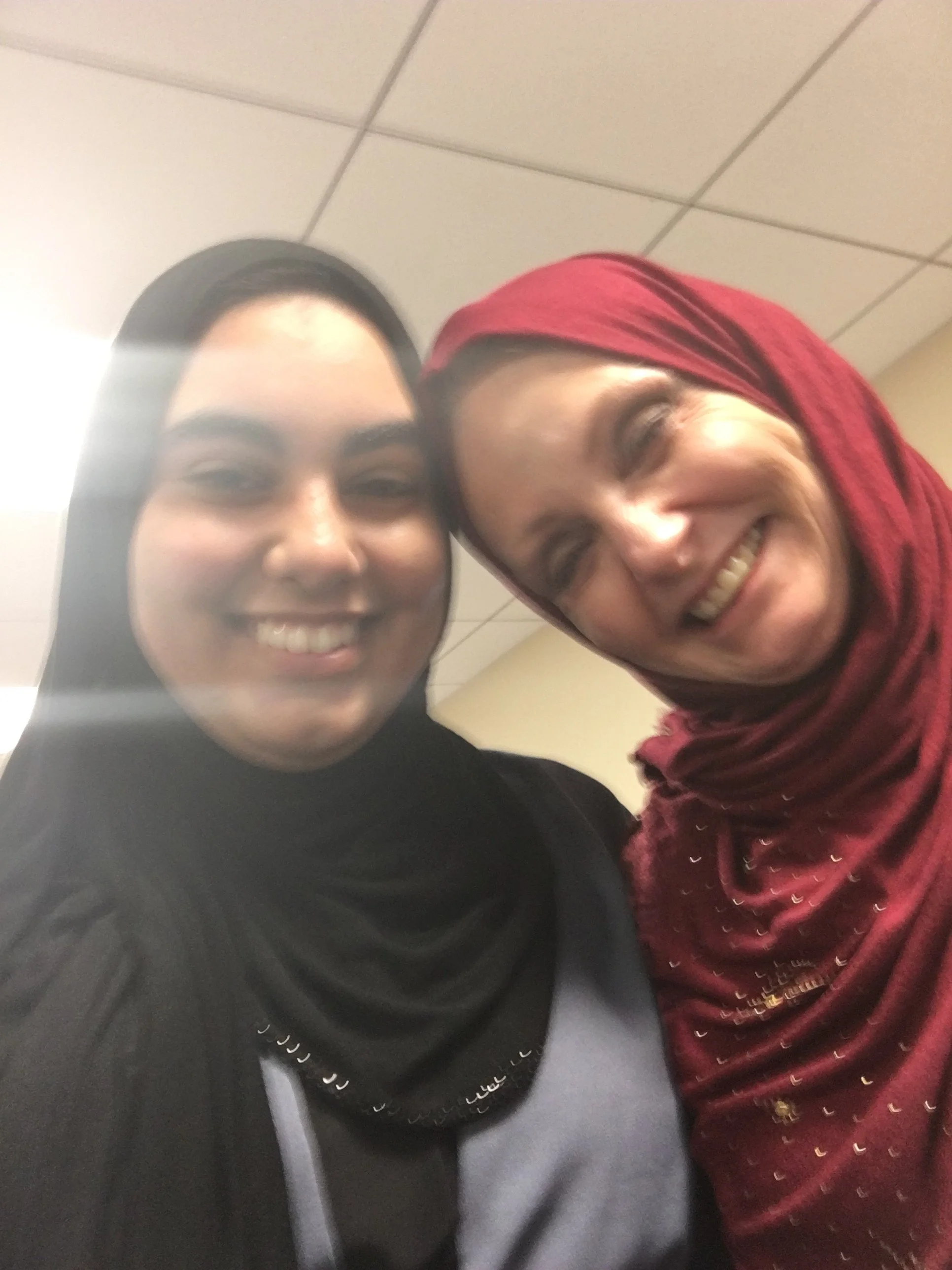
I met people in this job who taught me to value myself, who saw me for who I was. There’s something unique about being seen for your heart by people who don’t know you intimately. One of my friends once told me, “Taymeyah, you are truly the best human being I know.” I didn’t think much of it then, but that moment lingered subconsciously, and only later did I realize the impact it had on my life.
I’ve made pivotal and life altering decisions in this decade. I’ve cried, laughed, had breakdowns, and experienced my happiest and worst days there. And still, I wouldn’t trade any of it.
Professionally, I’ve grown—and watched others grow. I’ve seen the rise and fall of institutions’ leadership (and by “fall,” I know my interpretation may differ from others’, but that’s another conversation). I’ve seen what happens when institutions put patients first and what happens when they prioritize finances over the well-being of their staff and providers. I know what my criteria will be when I start working as a provider in another capacity a decade from now.
Over the years, I’ve also learned to identify true leadership quality. You can always tell who takes positions of leadership because they crave power versus those who simply love what they do and actually want nothing to do with the spotlight. The terrible leaders—the ones you need to learn to avoid working with or for—are almost always the ones who crave power, because those are the people who should never be in power in the first place.
I’ve picked people up off the ground (literally and figuratively), held patients’ hands as they took their last breaths, and celebrated when patients made it out of the ICU and off their vents to walk again. I’ve held down the fort when doctors were across the world and advocated for dying patients, helped navigate midnight emergency room calls with providers in other cities and states, been pulled out of meetings to hear the news of patients who left us too soon to grieve silently behind closed doors with the rest of the team, and then picked up the phone and consoled patient family members through unimaginable pain. Working in oncology has been one of the biggest blessings this world could’ve given me.
Life and death teach you dignity, humility, and honor. They teach you that life is shorter than we think. That the little things matter more than the big ones. And yes, work isn’t everything—but for those of us in patient-facing roles, we are sometimes our patients’ and their families’ only hope. To them, we are their lifeline, even when the real lifeline is the work they’re doing themselves. And to be in these fields, you need people around you who understand why you give so much of yourself to this “job” and why you might come home drained. Think of yourself in an ER or a doctor’s office—do you want the person on the other side of the room to be fully present, or just doing the bare minimum? We have to learn to balance our lives, at work and outside it, to preserve our sanity and be able to care for both the people at home and those we’re responsible for at work.
I’m grateful I started this journey before having a nuclear family of my own. I’ve learned, through my own experiences and those of others around me, how to manage true life balance. I’m not perfect, but I’ve seen enough marriages and family dynamics end in the past decade to recognize the patterns. I’ve seen “picture-perfect” homes, beautiful on the outside but quietly falling apart within, held together only to keep up appearances. At what cost? A partner’s sanity? Happiness? For what?
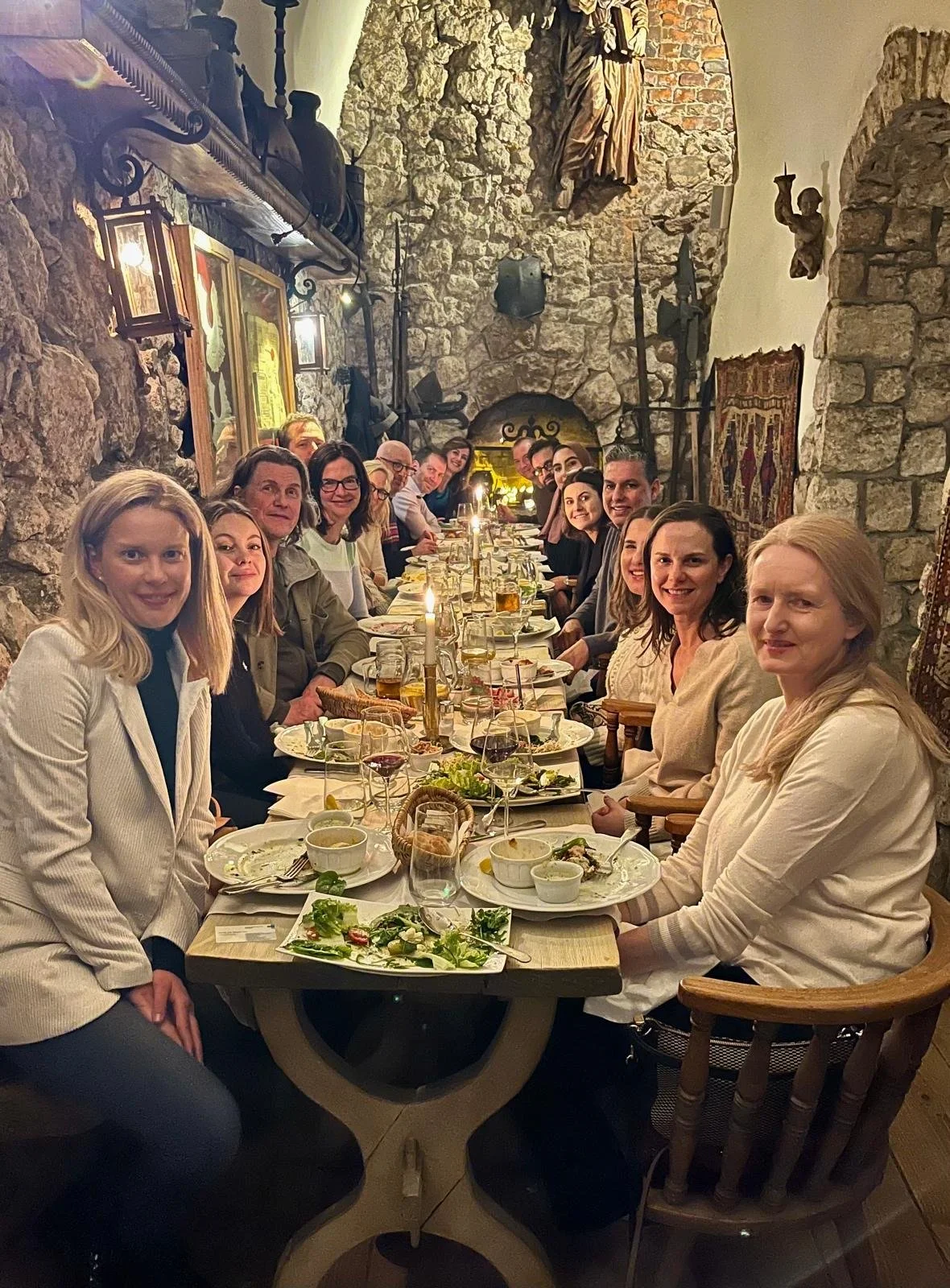
I’ve also seen relationships thrive and learned from them. I’ve seen mental health deteriorate and learned what it takes to maintain a healthy daily life. I eat well and exercise—not to look good, but to be the 90-year-old who can still carry groceries. To pick up my grandkids, great-grandkids, nieces, nephews—whoever—and play with them until my last breath. I’ve seen friendships bloom and fade, and I’ve learned that something beautiful and real will always have its moment. People come into your life for a reason, sometimes only for a season, but what a beautiful season it can be.
I’ve learned that jealousy is real. Intimidation is real. People will hate you for being confident, consistent, adaptable, or creative. They will hate you for having a voice. And if you take nothing else from this, remember: it was never about you. People hate the things they see—or don’t see—in themselves. They’ll try to bring you down so subtly that you’ll think you’re crazy. Listen to your gut more than any other organ. Notice jealousy, the manipulation, the subtle digs, but don’t engage with them. Keep toxic energy out of your circle.
Follow your moral compass. Please, for God’s sake, keep a moral compass—the world is messed up enough already. Remember that money will come if you keep your morals and ethics intact. Everything has a price; promotions included. Don’t chase a title: chase your passion and the place where you’ll make the biggest impact. Compete with yourself, only. Comparing yourself to others will get you nowhere, very quickly.
The grass isn’t greener elsewhere, it’s greener where you water it. But when the soil has become rotten beyond repair, go water healthier grass. Don’t cling to “the devil you know” just because it’s familiar. Everything is a balance, and when it tips too far, get out. Know your worth, but also be realistic and listen to those who truly care about you.
These are all things I wish someone had told me when I started my career. They are not unique to or explicitly about my workplace, but can be applied in every facet of life, and are nuggets I've picked up along the way. I hope they help anyone reading this, wherever you are on your journey. It’s never too late to redefine your life and your path.
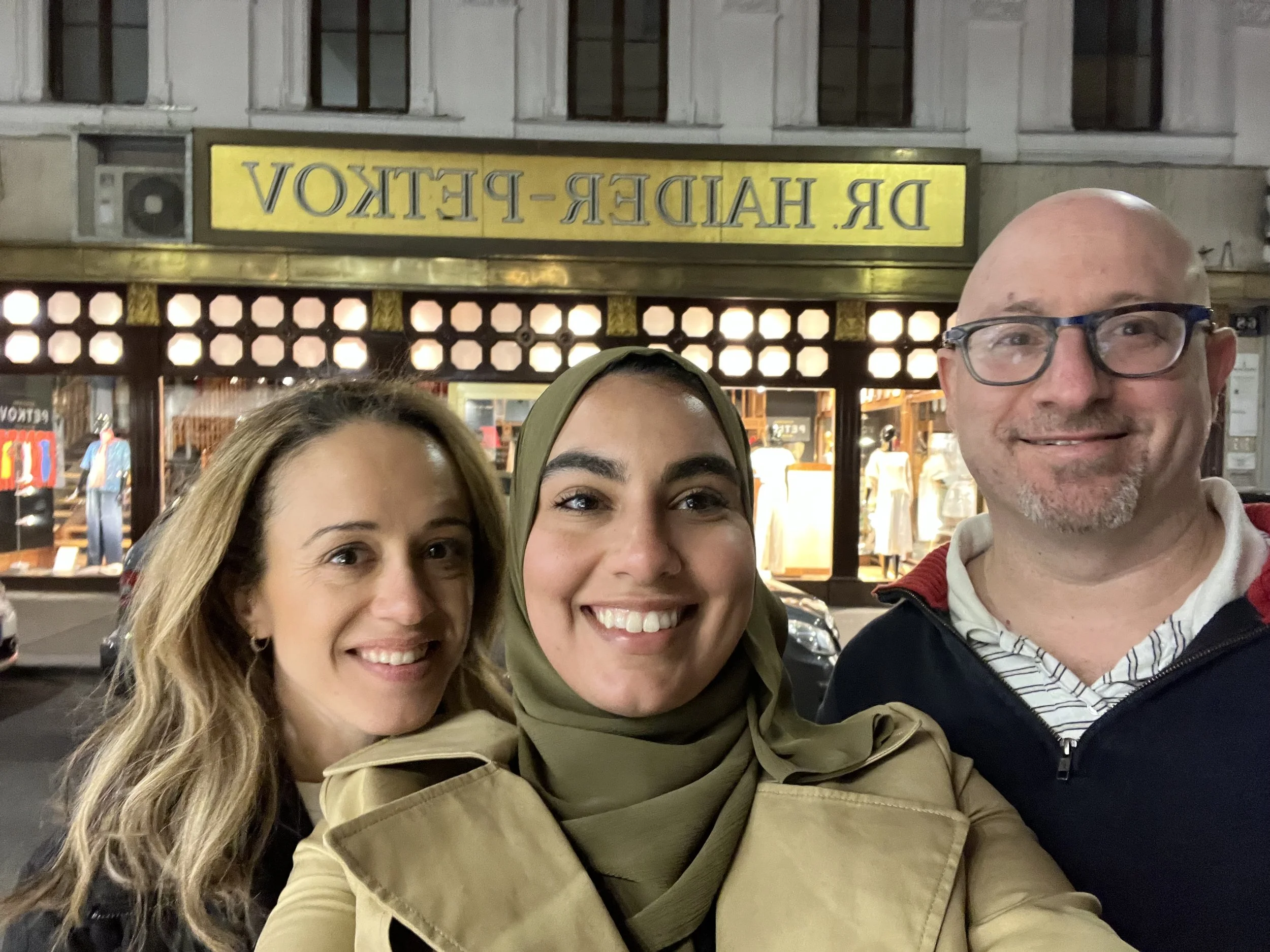
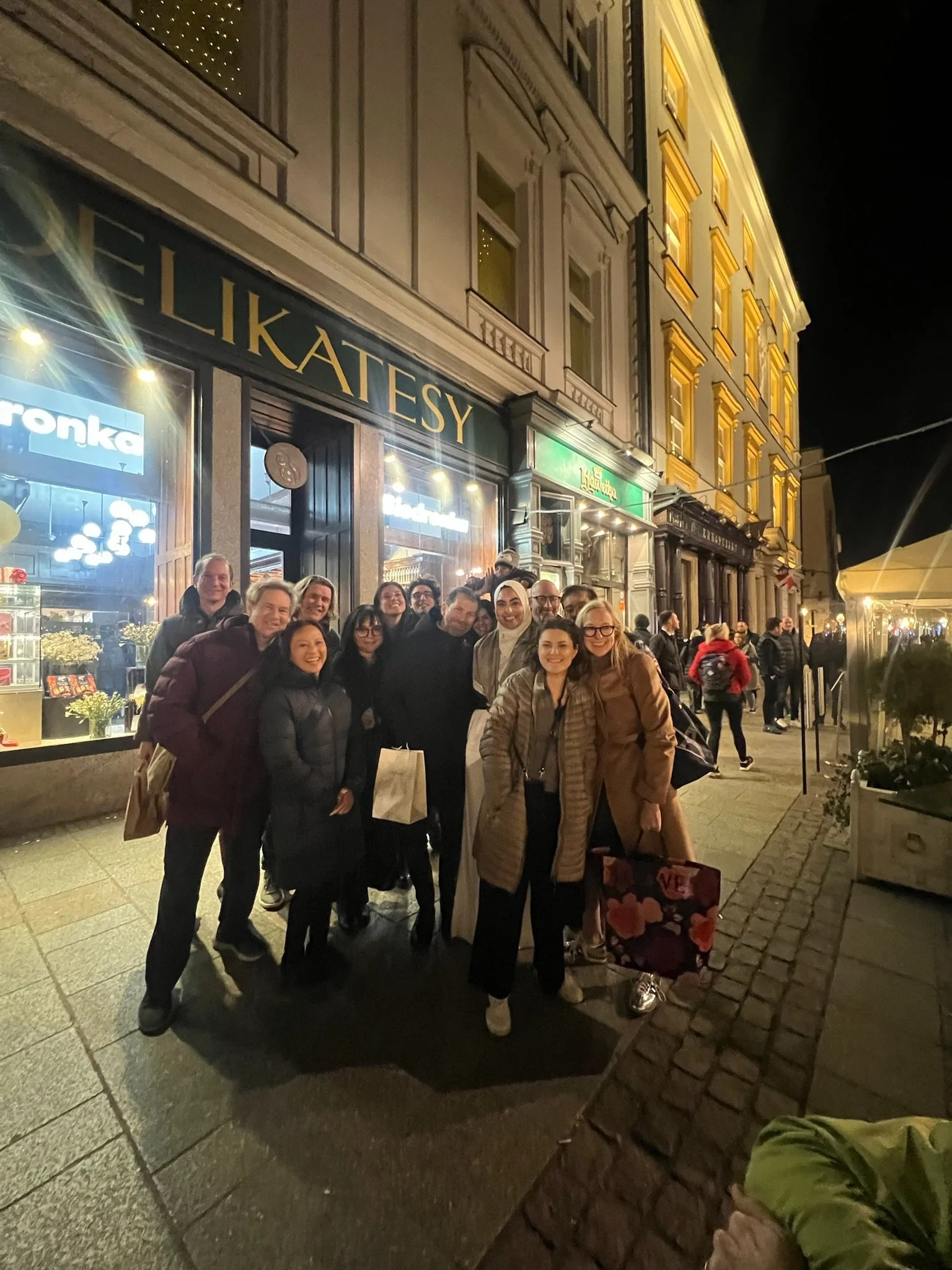
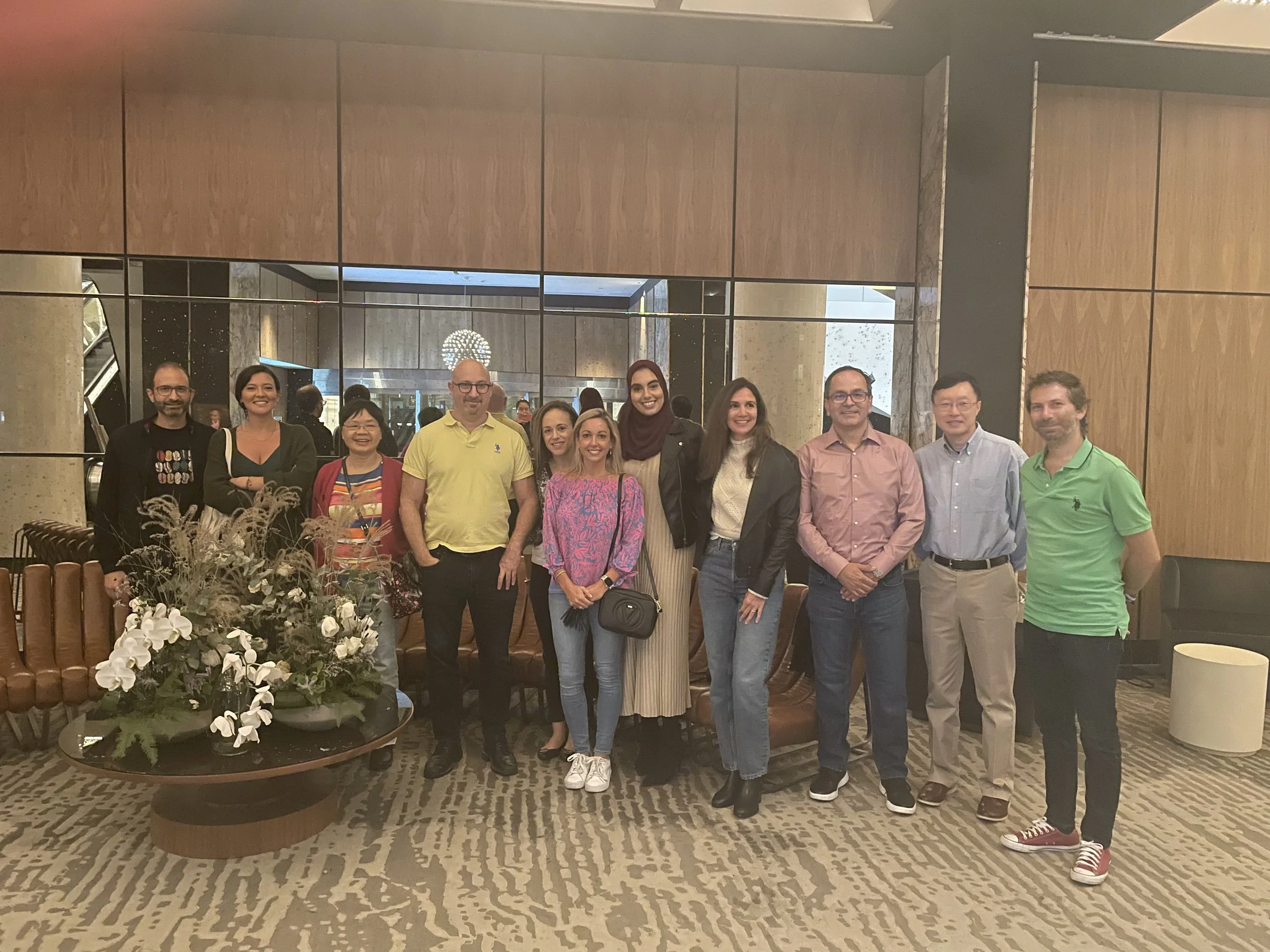
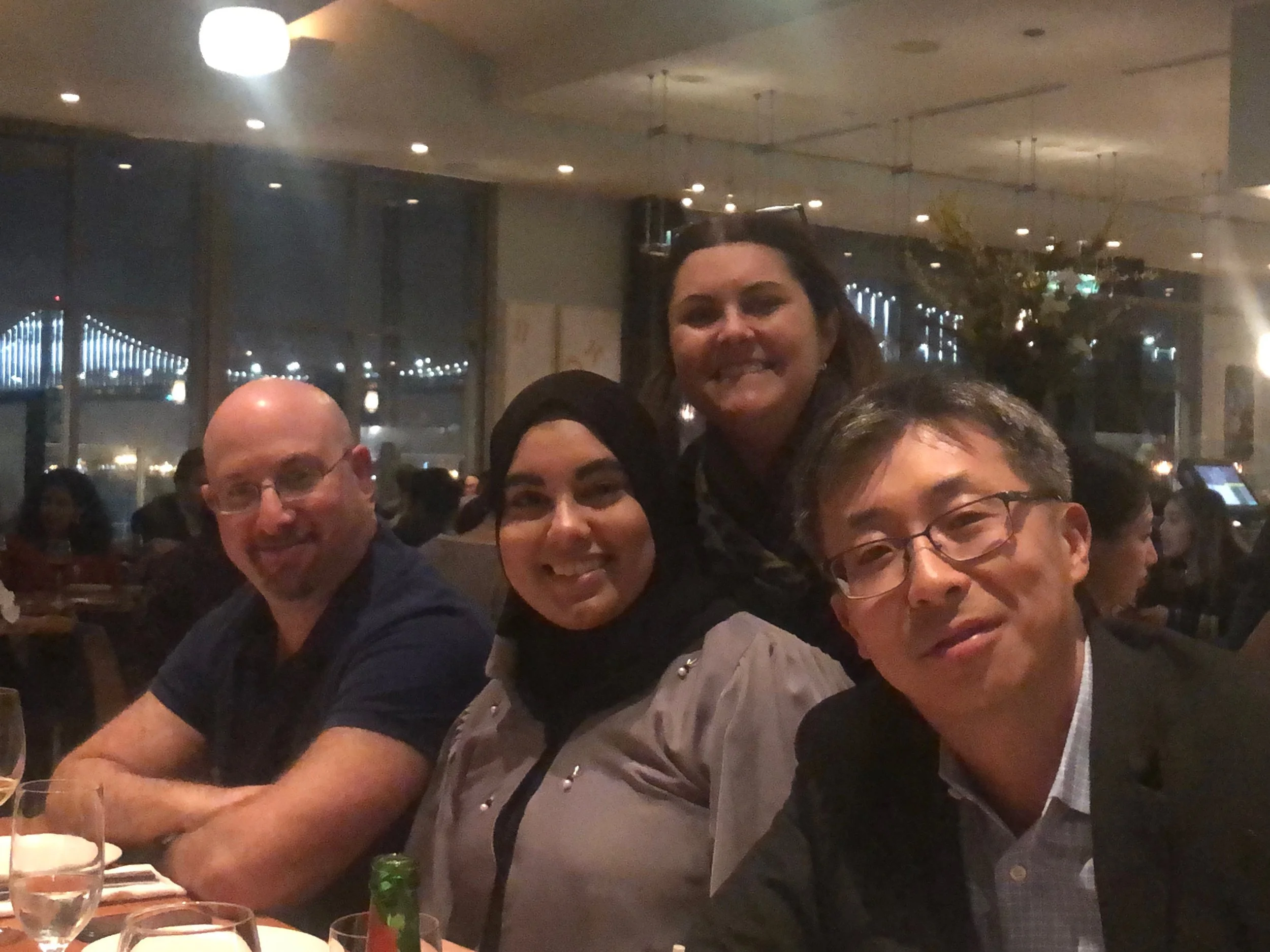
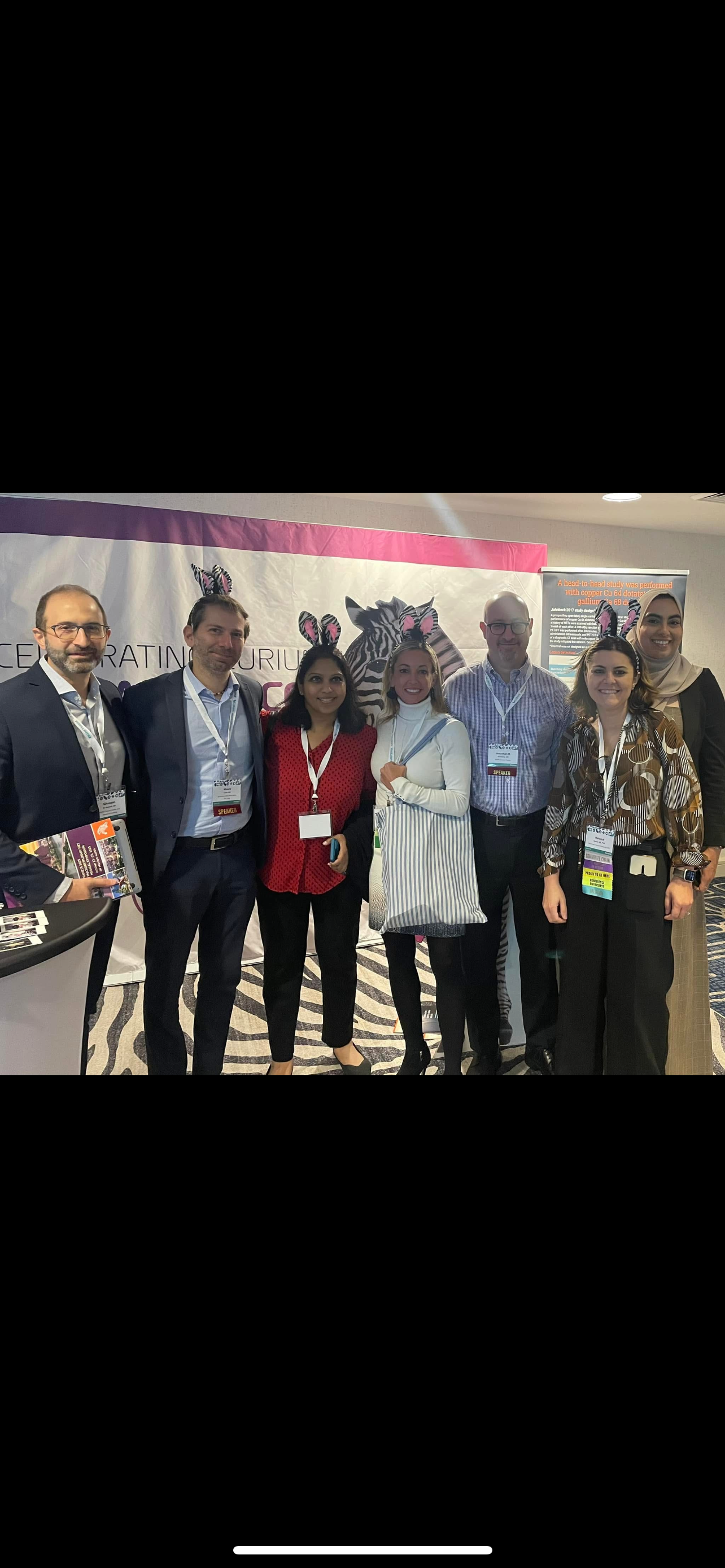
To everyone who’s been part of this last season: thank you, more than words can express. I can’t wait to see what the world has in store for the next decade...